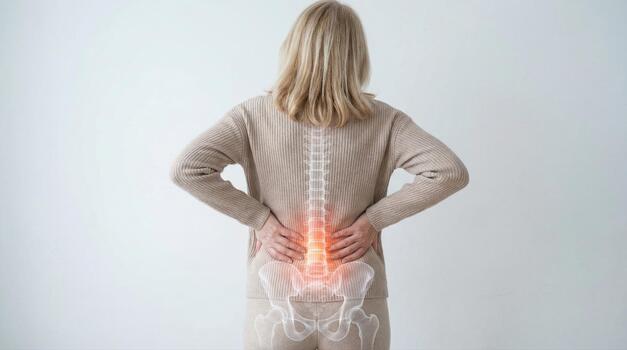
Moving With Greater Comfort
Pain and stiffness can affect everyday activities—from turning your head and sitting comfortably to walking, exercising, or climbing stairs.
These changes deserve attention at any age. Understanding what contributes to your discomfort can help you choose care that supports both symptom relief and the activities that matter to you.
Why Do Pain and Stiffness Develop?
Pain may follow an injury, repetitive activity, or changes in joints and surrounding tissues. Conditions such as osteoarthritis can also contribute to discomfort and limited movement.
Persistent pain is often more complex than a single injured area. Sleep, stress, muscle tension, and changes in how the nervous system processes pain may influence your experience. This does not make the pain any less real.
Common Concerns
People may seek acupuncture for:
Persistent lower back pain
Neck pain and associated tension
Knee pain related to osteoarthritis
Muscle tightness that makes movement uncomfortable
Pain that interferes with work, exercise, or daily routines
The cause of your symptoms matters. New, unexplained, or worsening pain should be evaluated before assuming it is simply muscle tension or aging.
How Acupuncture May Help
Acupuncture may reduce pain in some people with chronic lower back pain, neck pain, and knee osteoarthritis. For certain conditions, studies have also found improvements in physical function.
Benefits vary by condition and individual. Acupuncture can be one part of a broader plan to make daily activities more manageable, alongside appropriate medical care and rehabilitation.
How Does It Work?
Researchers are still studying how acupuncture affects pain. Proposed mechanisms include stimulation of sensory nerves and changes in the body’s pain-signaling and pain-regulating systems.
Pain relief does not necessarily mean that an underlying structural problem has been repaired. Acupuncture does not rebuild cartilage or replace treatment for an injury that requires medical attention.
Supporting Everyday Movement
Improvement can mean more than a lower pain score. It may mean sitting through a workday more comfortably, walking farther, or returning to an activity you enjoy.
Your appointments can include reviewing specific goals and how symptoms affect them. Tracking these changes helps assess whether treatment is providing a meaningful benefit.
Working Alongside Exercise and Rehabilitation
Strength, flexibility, and balance are important parts of maintaining mobility. Appropriate physical activity and physical therapy can help improve function and make everyday tasks easier.
Acupuncture may complement this work by helping manage pain. It does not replace the strengthening, movement practice, or rehabilitation needed for your condition.